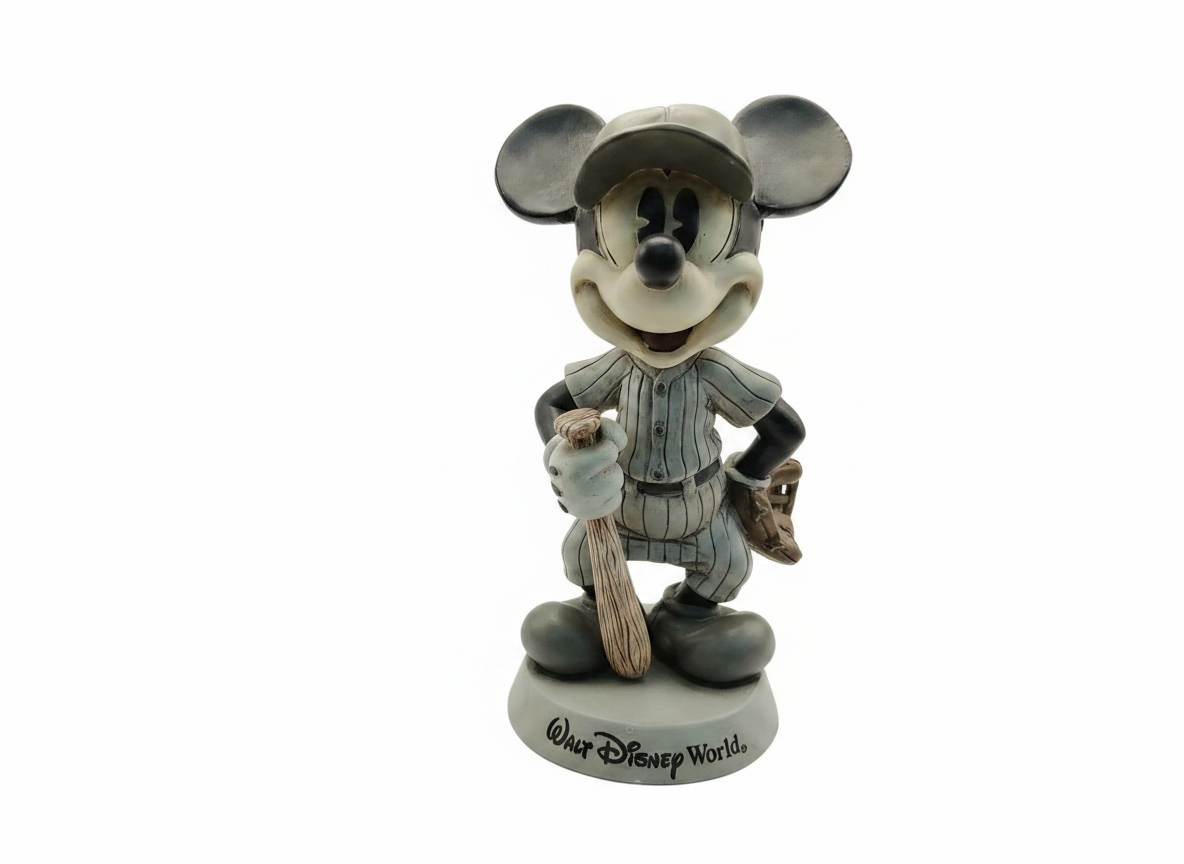
Licensed Character Merchandise: How OEM Manufacturing Works for Disney and Hello Kitty
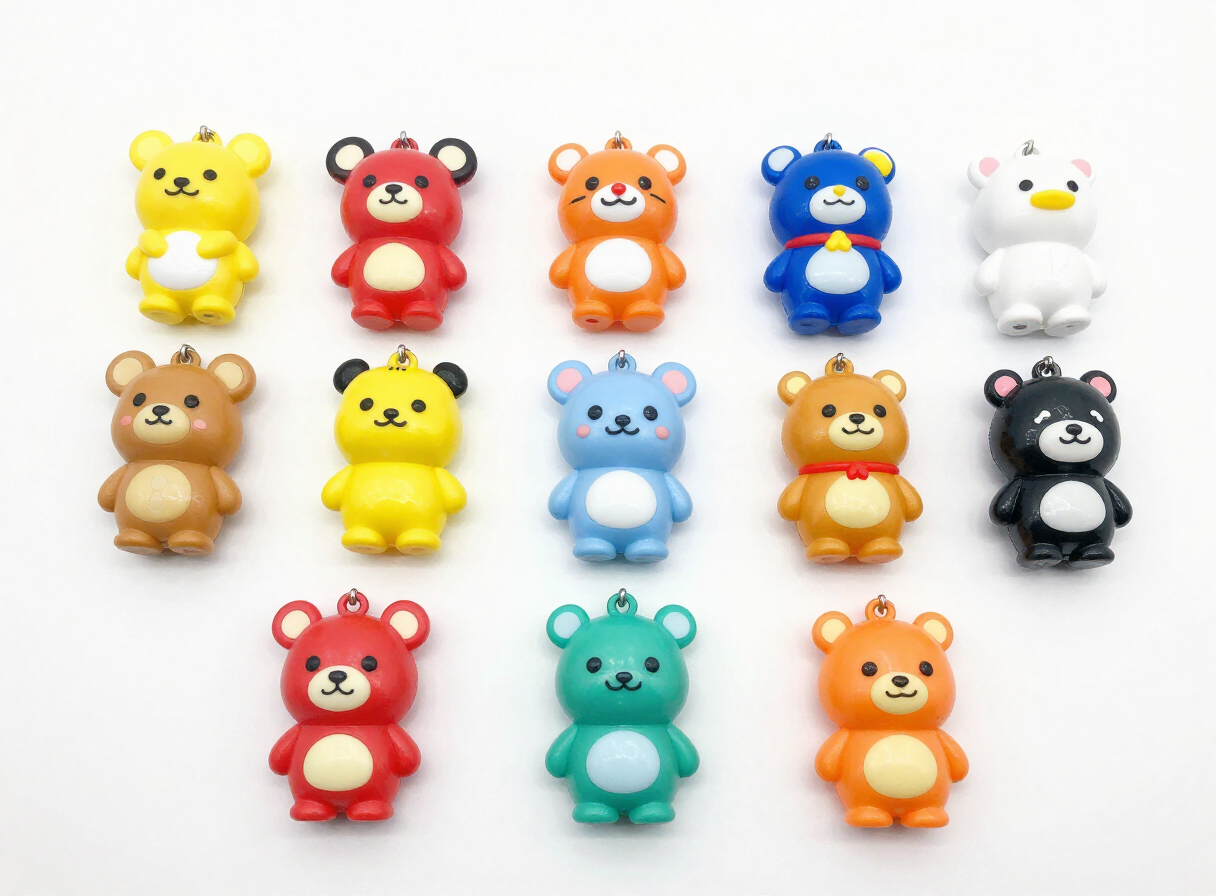
A practical look at what it takes to manufacture officially licensed character merchandise — IP approval workflows, compliance requirements, and what buyers need to prepare.
Why Licensed Merchandise Requires an Approved Factory
IP owners such as Disney, Sanrio (Hello Kitty), and major sports leagues audit and approve every factory authorized to produce their licensed products. Only approved suppliers can legally manufacture official merchandise — using an unapproved factory, even with a valid license agreement, typically voids the license and exposes the buyer to legal liability.
Step 1: The Buyer's License Agreement
The licensee (your company) must hold a valid merchandise license from the IP owner covering the product categories you plan to produce. The license specifies the product type, territory, royalty rate, and quality standards the manufacturer must meet. Without this agreement in place, a factory cannot legally begin artwork or tooling.
Step 2: Submitting Artwork for IP Owner Approval
Character artwork used on products must be submitted to the IP owner's licensing team at each development stage: sketch, digital color render, pre-production sample, and final production sample. Each stage requires written approval before advancing. Lead times should account for two to four weeks per approval round.
Step 3: Factory Compliance Documentation
Approved factories are required to maintain current social compliance audits (BSCI, Sedex, or equivalent), product safety test reports (CPSIA for the US, EN71 for Europe), and material certificates for every finish and raw material used. These documents are submitted alongside production samples during the licensee's quality review.
Step 4: Production and Final Inspection
Once artwork and samples are approved, production proceeds against the approved reference sample. A pre-shipment inspection — conducted either by a third-party agency or an in-house QC team — verifies color matching, print accuracy, and workmanship before the container is sealed.
What Buyers Should Prepare Before Approaching a Factory
Come to your manufacturing partner with a signed license agreement, character usage guidelines from the IP owner, and an approved territory and product category. The factory can then confirm its compliance standing with the IP owner, quote tooling and production costs, and set a realistic timeline that accounts for the multi-stage approval process.
Ready to turn these ideas into a custom product? Explore our sourcing & OEM/ODM services or browse the product gallery.
Schedule Consultation